Festival Sound and Lighting That Holds a Crowd
A festival can have a brilliant line-up, great food and a scenic site, yet still lose the crowd if the festival sound and lighting are poorly planned. When vocals are unclear, announcements cannot be heard or the main area feels flat after sunset, guests notice. Strong production does more than make noise and add colour – it gives every performer, sponsor message and shared crowd moment the impact it deserves.
For organisers, the goal is not simply hiring the biggest speakers or filling a stage with effects. It is creating a reliable system that suits the site, the programme, the audience and the conditions on the day. That takes practical planning, experienced operators and equipment selected for the job.
Start Festival Sound and Lighting Planning With the Site
A site visit should happen well before equipment is loaded into a vehicle. An open paddock, waterfront reserve, town square and indoor-outdoor venue all behave differently. Hills, trees, buildings, hard surfaces and prevailing wind can change how sound travels. The same applies to lighting, particularly where there are nearby homes, shared public spaces or uneven ground.
Start by mapping the event footprint: stage position, audience area, entry points, food vendors, bars, amenities, emergency access and any quieter zones. This reveals where sound needs to reach, where it should not travel, and which areas need safe illumination after dark.
Power is another early decision, not a last-minute detail. Professional sound and lighting equipment needs stable, correctly distributed power. A generator may be suitable for a remote event, but it must be sized for the actual load and positioned so its noise does not interfere with the programme or guest experience. Separate circuits for audio, lighting and vendor requirements can prevent a busy site from tripping power at the worst possible moment.
Weather planning is equally essential for Tasmanian festivals. Rain, wind and cold can arrive quickly, even when the forecast looks friendly. Equipment needs appropriate protection, cable runs need to stay dry and secure, and the production plan should account for a safe pause or adjustment if conditions deteriorate. Outdoor events benefit from having clear decisions made in advance rather than improvising under pressure.
Clear Audio Is What Keeps People Connected
Festival audio has two jobs. It needs to deliver music with energy and clarity, and it needs to carry information when people need it most. Set changes, safety directions, lost-child notices, sponsor acknowledgements and weather updates are only useful if guests can understand them.
A well-designed system uses speaker placement and coverage to suit the audience area. More volume is not always the answer. Excessive volume can create harsh sound near the stage while leaving distant guests struggling to hear, and it can cause unnecessary issues for neighbouring properties. The better approach is controlled coverage, with speakers placed and tuned to distribute sound evenly across the main crowd zone.
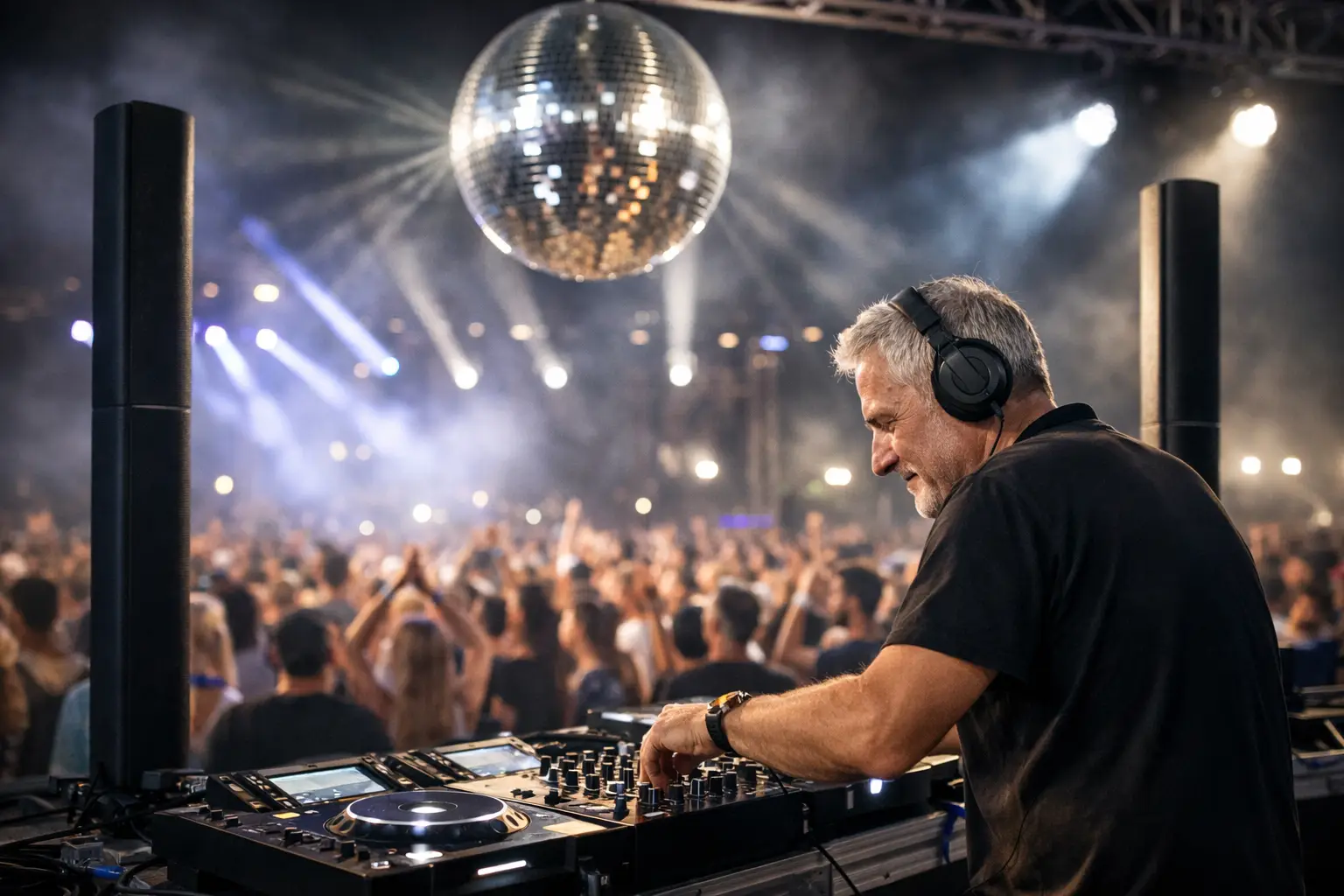
The type of entertainment matters. A DJ set requires a different balance from a live band, solo acoustic performer, cultural performance or panel discussion. Live acts may need microphones, foldback monitors, direct input boxes and a dedicated sound check. DJs need reliable booth monitoring, clean connections and enough low-end presence to drive a dance crowd without muddying the vocals. If multiple acts are scheduled, allow realistic changeover time and ensure every artist knows what equipment is supplied.
Experienced sound technicians also listen to the changing crowd. A sparse afternoon audience and a packed evening dancefloor do not absorb sound in the same way. Wind can shift, background noise can build, and a headline act may have different technical needs from an opening performer. Active management throughout the event protects sound quality rather than treating setup as a set-and-forget task.
Plan for announcements, not just performances
An MC microphone is one of the most valuable pieces of equipment on site. It should be tested from the places where announcements will actually happen, whether that is the main stage, a presentation area or the event entrance. Keep at least one backup microphone ready for a busy festival programme.
Prepare a simple communication process between the event manager, stage manager and audio operator. Who can call for an announcement? How will urgent messages be delivered? What wording is approved for routine notices? These details reduce confusion and help the programme stay on track.
Lighting Creates Atmosphere and Safer Movement
Festival lighting should make the site feel intentional after dark while helping guests move safely. The strongest results come from separating functional lighting from entertainment lighting.
Functional lighting covers walkways, stairs, toilets, entrances, exits, first-aid areas and operational spaces. It is about visibility, safe footing and clear wayfinding. Decorative and stage lighting then builds the atmosphere: colour washes, moving lights, uplighting, festoon lighting and illuminated features can make key areas feel lively, welcoming or dramatic depending on the event identity.
A common mistake is concentrating every lighting fixture on the stage. The stage is important, but the audience experience happens across the whole site. Lighting a pathway to food stalls, framing the entrance, defining a chill-out zone or drawing attention to a sponsor activation can make the festival easier to navigate and more enjoyable to explore.
For the performance area, lighting needs to work for both the crowd and the people on stage. Front lighting helps audiences see performers, while backlighting and colour create depth and energy. Moving effects can lift a headline set, but they should suit the music and be programmed with care. Constantly flashing fixtures can become distracting, and certain strobe effects may not be appropriate for all audiences. Clear signage and considered use are part of responsible event delivery.
Make lighting work for photos and video
Guests will document the event. A few well-lit focal points can improve the photos people share and give your festival a stronger visual identity. This does not mean turning every area into a photo booth. It means creating attractive, usable light around the stage, entry signage, branded backdrops and social spaces.
For a corporate or community festival, lighting can also support sponsors without overwhelming the event. Branded colours, projected logos and a properly lit presentation space can add value, provided they fit naturally within the wider experience.
Build a Production Schedule That Has Breathing Room
The best equipment in the world cannot rescue a rushed bump-in. Festival production needs time for delivery, staging, cable management, system testing, sound checks, lighting focus and a full run-through of key announcements. Allow time for gates to open without technicians still working in the public area.
Your schedule should identify when each performer arrives, when they sound check, who approves technical changes and when the headline set must start. It should also include meal breaks and handover points for crew. Festivals often run long hours, and a rested, organised team is far more likely to respond well when a timing change occurs.
Contingency is part of professional planning. Keep spare cables, microphones, adapters and critical components available. Confirm wet-weather procedures, backup power arrangements and a response plan for a delayed artist. Not every issue can be prevented, but many can be managed without the audience noticing when the team has prepared properly.
Choose a Provider Who Understands the Full Event
Festival production is not just equipment hire. It is the coordination of sound, lighting, hosting, performers, power, safety and crowd flow. A provider who understands the full picture can identify risks early and recommend a package that makes sense for your budget and event goals.
Ask practical questions before booking. Can the team assess the venue? Will an experienced technician operate the system throughout the event? What backup equipment is available? How are cables secured and public areas protected? Can they support DJs, bands, speeches and announcements in one coordinated setup? Clear answers matter more than a vague promise of a large system.
AAA Mobile DJ Services brings more than 30 years of event and sound experience to festival, community and private celebrations across Tasmania. The right production plan can be tailored to a local gathering with a modest stage or a larger programme requiring full audio, lighting and MC support.
A great festival leaves guests talking about the music, the atmosphere and the moments they shared – not the speaker that cut out or the path they could not see. Give sound and lighting proper attention early, and your event has the foundation to feel confident, lively and professionally delivered from gates open to the final encore.