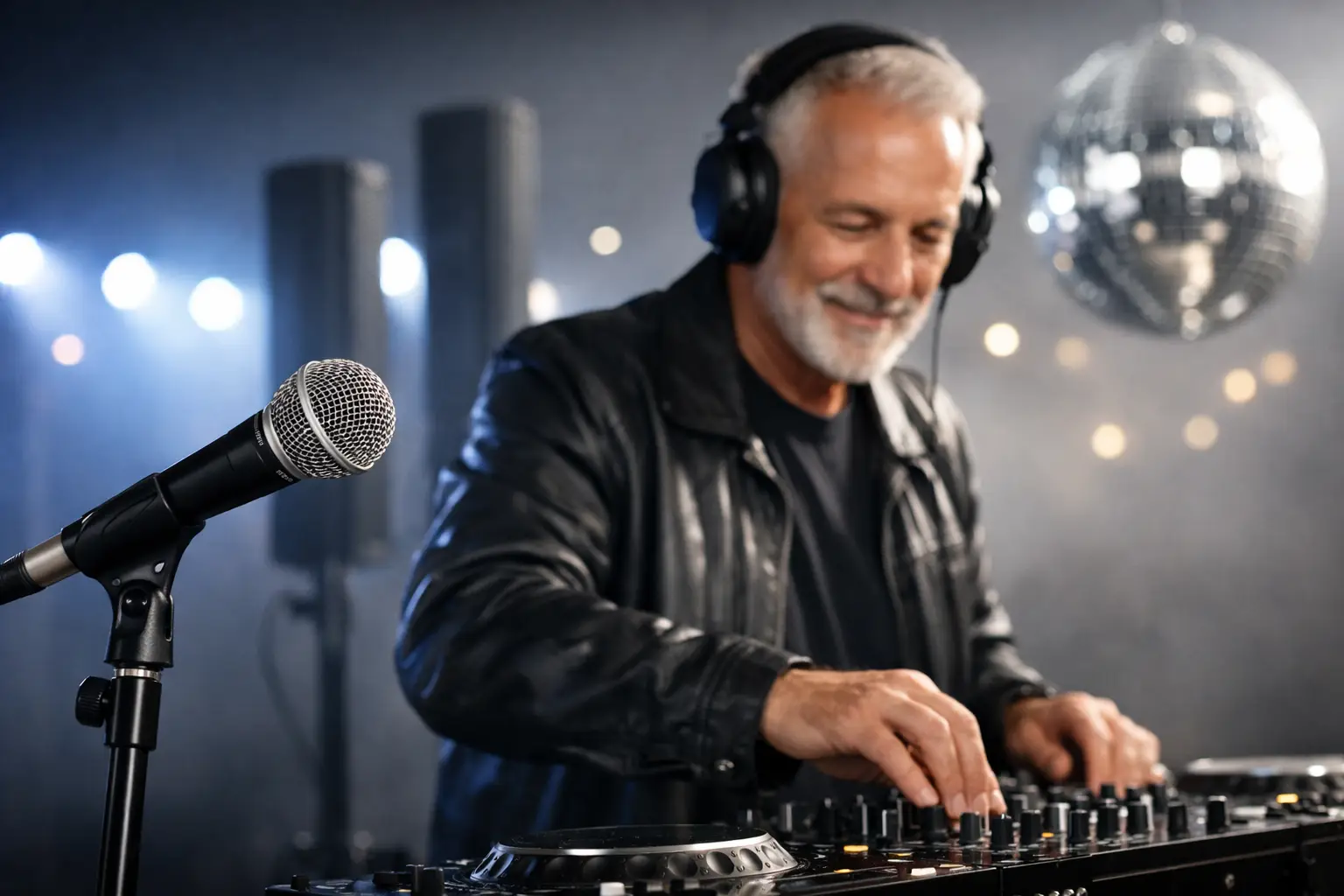
Event Microphones That Keep Every Word Clear
A brilliant speech can lose the room in seconds if guests cannot hear it. The right event microphones make vows feel personal, awards sound polished and announcements reach every table, not just the people standing beside the speaker. For weddings, corporate functions and community celebrations, clear audio is not a minor technical detail. It is what keeps the event moving and lets the important moments land.
At AAA Mobile DJ Services, we look at microphones as part of the complete event experience. The best choice depends on who is speaking, where they are standing, how much they need to move and what is happening around them. A microphone that works perfectly for a seated conference panel may be completely wrong for an outdoor wedding ceremony.
Start with the moment you need to amplify
Before choosing equipment, think about the speaking moments in your run sheet. A wedding might include the celebrant, personal vows, readings, reception speeches and a lively MC. A corporate event may need a presenter, a panel discussion, audience questions and prize announcements. A birthday or fundraiser may only need a host and a few speeches, but those voices still need to cut through music, chatter and a full room.
The venue matters just as much. High ceilings, glass walls, hard floors and large open spaces can create echo. Outdoor locations bring wind, traffic, waves, generators and general crowd noise into the equation. A professional sound technician considers these conditions before guests arrive, rather than turning up the volume later and hoping for the best.
Choosing event microphones for each speaker
There is no single “best” microphone for every function. The right option is the one that gives the speaker confidence while producing natural, clear sound for guests.
Handheld wireless microphones
A handheld wireless microphone is the familiar choice for reception speeches, MC hosting, award presentations and audience participation. It is easy to pass between speakers, suits different voice types and gives the person speaking a clear reminder to keep the microphone close.
For weddings and parties, this is often the most practical option. A confident MC can take control of the room, introduce speakers and keep formalities on schedule. It is also a strong choice where several people will speak briefly, as there is no need to clip equipment onto each person.
The trade-off is technique. Speakers need to hold it near their mouth, not down near their chest or at arm’s length. A quick, friendly instruction before speeches makes a major difference. If someone is likely to wave their hands, read from notes or feel nervous, another microphone style may suit them better.
Lapel microphones for hands-free speaking
Lapel microphones, also called lavalier microphones, are small microphones clipped to clothing. They are ideal for celebrants, ceremony hosts, conference presenters and anyone who needs both hands free. They allow the speaker to move naturally without holding equipment, which creates a more relaxed and professional presentation.
They need careful placement. Jewellery, scarves, loose fabric and long hair can brush against the microphone and create unwanted noise. A lapel microphone should also be fitted early enough to test levels and make sure the speaker is comfortable wearing it.
For a wedding ceremony, a lapel microphone on the celebrant often provides the strongest result because it clearly captures the person guiding the ceremony. Whether the couple also needs microphones depends on the ceremony style, the venue and how audible their vows need to be for guests or video recording.
Headset microphones for active presenters
A headset microphone sits close to the speaker’s mouth and is the reliable choice for presenters who move, teach, demonstrate or perform. It is well suited to fitness events, product launches, auctions, interactive corporate sessions and entertainers who need consistent volume while turning their head or walking across a stage.
Some clients worry that a headset will look too noticeable in photos. That can be true for a very formal wedding ceremony, but for a high-energy presentation the audio benefit usually outweighs the visual consideration. Guests remember a presenter who was easy to hear far more than the small headset they wore.
Wired microphones and lectern setups
Wireless equipment offers flexibility, but wired microphones still have a place. A wired lectern microphone can be an excellent choice for formal conferences, ceremonies and presentations where the speaker stays in one position. It provides a tidy, dependable setup and removes the need to manage wireless battery changes during that particular speech.
The limitation is obvious: speakers need to remain close to the lectern. If they step away to engage the audience, sound levels can drop quickly. For events with several presentation styles, a lectern microphone paired with a handheld wireless microphone gives useful flexibility.
Wireless reliability is more than fresh batteries
Wireless microphones are convenient, but quality equipment and preparation are essential. Professional event microphone systems use coordinated frequencies to reduce the risk of interference from other wireless devices. This is especially valuable at hotels, function centres, festivals and public venues where several suppliers may be operating equipment nearby.
Fresh batteries, charged receivers and a proper sound check are all part of the job. So is having a backup plan. At an important event, there should be another microphone available if a speaker drops one, a battery unexpectedly fails or the run sheet changes at the last minute. These details are rarely noticed when they are done well, which is exactly the point.
Plan for the room, not just the microphone
A quality microphone cannot solve every sound issue by itself. Its performance is tied to speaker placement, loudspeaker locations, music volume and the acoustics of the venue. If loudspeakers are placed behind an open microphone, feedback can occur. If the music is too loud immediately before speeches, the change to spoken audio can feel abrupt and uncomfortable.
At a reception, it also helps to create a clear speech area. Speakers should know where to stand, guests should be able to see them, and the person managing the microphone should have a simple plan for passing it on. For a corporate function, consider how panellists will be heard from their seats and how questions from the floor will be handled. Passing one handheld microphone around may work for a small group, while a larger room may need dedicated microphones or a roaming host.
Outdoor events need extra thought. Wind protection is useful, but positioning is just as important. Place speakers away from strong gusts where possible, keep equipment covered if weather changes, and make sure the power source is suitable for the sound system. Tasmania can offer spectacular ceremony and event locations, but coastal breezes and changing conditions should always be part of the production plan.
Give nervous speakers an easy win
Most people giving a wedding speech or workplace presentation are not professional performers. A small amount of guidance helps them sound far more confident. Encourage speakers to hold a handheld microphone about a hand-width from their mouth, speak across the top of it rather than directly into it, and pause for laughter or applause.
It is also wise to ask speakers not to tap the microphone, blow into it or place it on a table while it is switched on. If they are reading from a mobile, remind them to keep their eyes up regularly and avoid covering their face with the screen. These are small practical details, but they help guests stay connected to the moment.
Make microphones part of your complete event plan
When entertainment, MC hosting, music and sound production are organised separately, microphone requirements can be missed until the day itself. A complete event provider can build them into the schedule from the beginning, alongside ceremony music, formalities, lighting and guest engagement.
That approach makes life easier for couples, event organisers and hosts. The right number of microphones is ready, the sound check happens before guests are seated, and the person running the event knows who needs what and when. From heartfelt vows to a packed dance floor announcement, every voice has its place.
Clear sound gives people permission to lean in, laugh together and hear the words they came to celebrate. Plan your microphones with the same care as the music, and those meaningful moments will be heard exactly as they should be.