Conference MC Services That Keep Events on Track
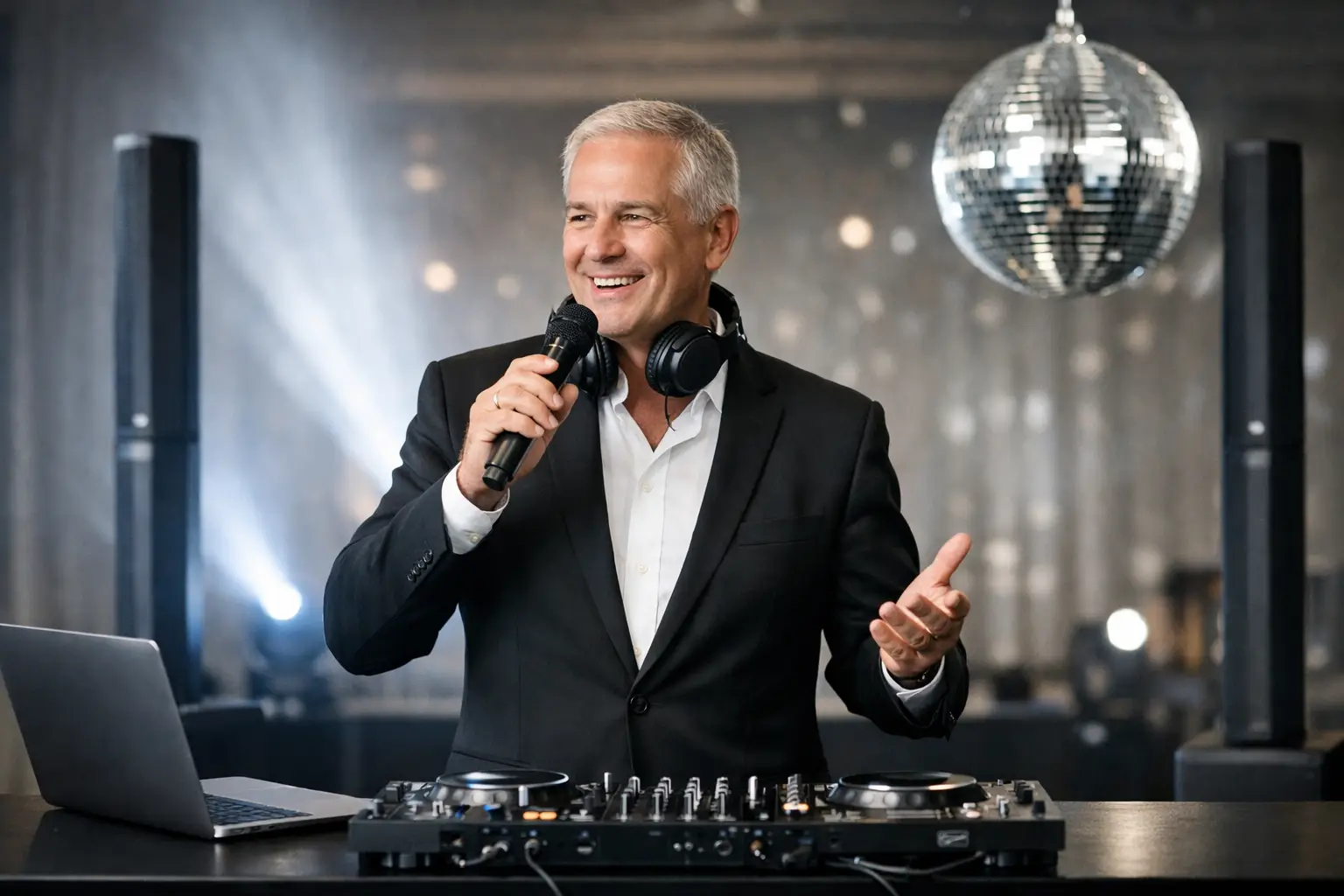
A conference can have brilliant speakers, a well-planned venue and a packed agenda, yet still feel disjointed if nobody is confidently guiding the room. Professional conference MC services give your event a clear voice from the opening welcome through to the final thank you, keeping delegates informed, speakers supported and the schedule moving with purpose.
For corporate organisers, the MC is not simply the person with a microphone. They are the link between your programme, production team, presenters, sponsors and audience. When that role is handled well, guests feel looked after and your event reflects the professionalism of your organisation.
What conference MC services actually do
A capable conference MC sets the tone before the first presentation begins. They welcome delegates, explain the day’s format, acknowledge partners or sponsors appropriately and create enough energy to bring the room together. This matters particularly at early starts, after lunch sessions and during longer conference days when attention can dip.
Throughout the event, the MC introduces each speaker with the right level of detail, manages transitions and keeps delegates aware of timing, breaks, catering arrangements and room changes. They can facilitate audience questions, guide panel discussions, make housekeeping announcements and ensure important messages are delivered clearly.
The best hosts do all of this without making the event about themselves. Their job is to keep the focus on your speakers, your brand and the value your audience has come to receive.
More than reading a run sheet
A run sheet is essential, but conferences rarely follow it exactly. A keynote may run over, a panellist may be delayed, technology may need a quick reset or an audience Q&A may generate more interest than expected. An experienced MC reads the room and responds calmly.
That may mean shortening an introduction, filling two minutes while a presentation file is loaded or resetting the audience’s attention before the next session. These small moments can determine whether guests experience a polished event or notice every delay.
Why the right conference MC matters
Conference audiences are different from wedding or party crowds. Delegates want a host who is warm and engaging, while still credible, prepared and respectful of the programme. The right balance depends on the event. A business awards night can allow for more celebration and personality, while an industry forum or government-focused conference may need a more measured delivery.
A professional MC also protects your speakers. Not every expert is comfortable walking onto a stage without a clear cue, and not every presenter understands the exact time pressures of a live programme. A host provides a confident handover, gives presenters a clean start and helps prevent awkward gaps at the end of a session.
For organisers, this support reduces the pressure of trying to manage the agenda from the back of the room while also answering delegate questions, dealing with suppliers and solving last-minute issues. Instead of being pulled on stage to make announcements, you can concentrate on the event as a whole.
Choosing conference MC services for your event
When comparing hosts, start with experience in live events rather than relying on a polished promotional video alone. A good MC needs clear microphone technique, strong timing, the ability to pronounce names correctly and the confidence to adjust when conditions change.
Ask how the MC prepares. They should want to understand your audience, event goals, speaker list, key messages, brand language and any subjects that require care. A host for a medical conference, for example, needs a different approach from a sales conference, a local business expo or a charity gala.
It is also worth discussing how interactive you want the day to be. Some conferences benefit from a formal host who keeps introductions brief and factual. Others need someone who can energise the room, encourage questions and build momentum around awards, product launches or networking sessions. Neither approach is automatically better. It depends on your delegates and the atmosphere you want to create.
Questions worth asking before you book
Before confirming a conference MC, clarify whether they will attend pre-event briefings, review speaker biographies and work from a detailed run sheet. Ask how they handle schedule changes, whether they can facilitate Q&A sessions and what information they need from your team before the event.
You should also confirm the technical arrangement. Will the MC bring a suitable wireless microphone? Are they working with your venue’s audio-visual supplier? Do you need music for walk-ons, award stings, opening moments or breaks? These details are easier to coordinate before doors open than during a busy registration period.
Pairing MC hosting with sound, music and lighting
A conference host is most effective when the sound and production side is equally reliable. Delegates should be able to hear introductions, speakers should have the correct microphone ready when needed, and walk-on music should start at the right moment rather than becoming a distraction.
This is where working with one entertainment and production provider can simplify planning. Rather than coordinating an MC, DJ, sound technician and lighting supplier separately, you can build a package around the actual format of your event. That may include conference hosting, speaker microphones, background music for registration and breaks, lighting for the stage, and music for a post-conference function.
For events across Tasmania, this can be especially useful when the venue is outside a major CBD, the event involves multiple rooms or the day moves from formal presentations into an evening celebration. A single team that understands the full schedule can coordinate changes between each part of the event with less back-and-forth for the organiser.
AAA Mobile DJ Services brings more than 30 years of live event experience, combining confident MC hosting with professional sound support, lighting design and entertainment options tailored to the occasion. That means your host is not left waiting on a separate supplier to solve an audio issue, and your production team understands the programme from the beginning.
Give your MC the information they need
Even the most experienced MC performs best with a proper brief. Provide the final event objective, attendee profile, speaker names and titles, session order, sponsor acknowledgements, pronunciation notes and any required wording. If senior leaders or special guests are involved, note their preferred introduction and any protocol requirements.
It also helps to explain the tone you want. Is the day formal and informative? Are you trying to create excitement around a new initiative? Will delegates be arriving after a long drive, or are they returning from a high-energy networking session? A clear brief lets the MC adjust their pace, language and level of audience interaction.
A final run-through with the event coordinator, MC and technical team is time well spent. Confirm who gives timing cues, who approves changes to the schedule and how urgent announcements will be communicated. A simple plan behind the scenes gives the person on stage the confidence to sound relaxed and in control.
Common mistakes that affect event flow
One common mistake is asking a staff member to host simply because they know the organisation. Internal knowledge is valuable, but it does not always translate to microphone confidence, timing or the ability to manage unexpected changes in front of a room. Staff can still play an important role by welcoming guests or presenting specialist content, while a professional MC manages the overall flow.
Another is treating the MC as an afterthought. Booking a host without involving them until the final day can lead to incorrect names, weak introductions and missed opportunities to reinforce key messages. Your MC should be part of the event plan early enough to understand what success looks like.
Finally, avoid filling every second with talking. A strong host knows when a concise announcement is enough. Conferences need room for delegates to move, connect, check messages and absorb what they have heard. Good pacing feels intentional, not rushed.
The right MC gives your conference a confident centre point: someone who can welcome every delegate, support every speaker and keep your programme feeling professional when the unexpected happens. With a clear brief and dependable technical support behind them, your event is free to make the impression it was planned to make.