Wedding Speech Timing That Keeps the Night Moving
A brilliant wedding reception can lose momentum in just a few minutes when wedding speech timing is left to chance. Guests may be hungry, drinks may be running low, and the dance floor may be ready to come alive. A well-planned speech schedule protects the energy you have worked hard to create while giving the people closest to you a genuine, memorable moment at the microphone.
There is no single reception timetable that suits every couple. A relaxed afternoon celebration, formal hotel reception and regional marquee wedding all have different rhythms. The goal is not to force tradition into your run sheet. It is to place each speech where guests are comfortable, attentive and ready to listen.
Why Wedding Speech Timing Shapes the Reception
Speeches are often the emotional centre of the reception. They bring out the stories, laughter and happy tears that make the room feel connected. But they also ask guests to pause eating, chatting and celebrating, so their placement matters.
When speeches start too late, guests can become restless and speakers may feel pressure to rush. When they happen before a meal has arrived, people are distracted by hunger and service activity. Put all the speeches in one long block and even the warmest room can begin to fade.
The right timing helps your MC, catering team, venue staff and entertainment provider work as one. It creates natural transitions between the formal parts of the night and the party that follows. For couples, that means less worrying about what comes next and more time being present with family and friends.
The Best Time for Wedding Speeches
For many Australian wedding receptions, speeches work best once guests have had time to settle in and enjoy their first course or main meal. This is usually around 60 to 90 minutes after the couple enters the reception. Guests have a drink in hand, food is underway and the room is focused without being tired.
That said, the best answer depends on your reception format. If you are serving a cocktail-style meal with roaming food, speeches may work better shortly after the couple’s entrance, while everyone is gathered in one place. At a formal sit-down dinner, splitting speeches between courses can keep the evening moving and gives catering staff clear windows for service.
An early speech slot is particularly useful if there are young children, older relatives or anyone who may be leaving before the dance floor opens. It also takes the pressure off nervous speakers, allowing them to relax and enjoy the rest of the celebration.
A reliable reception flow
A dependable run sheet often looks like this: guests arrive and enjoy canapés, the wedding party makes its entrance, the couple is welcomed, and guests are invited to dinner. Once service is settled, the first speeches begin. After a short break for the next course or dessert, any remaining speeches can follow, leading naturally into cake cutting and the first dance.
This approach is not a rule. If your photographers need golden-hour portraits, for example, it may make sense to schedule speeches while you are briefly away from the table, provided the key people you want present remain in the room. A confident MC can explain the moment clearly so guests know where their attention should be.
How Long Should Wedding Speeches Be?
The sweet spot for most wedding speeches is three to five minutes per speaker. It sounds brief, but it is enough time to share a meaningful story, thank the right people and offer a toast. A speaker who has prepared well can say more in four warm, focused minutes than someone who talks for 12.
As a total block, aim for 15 to 25 minutes. Thirty minutes can work if there are several speakers and every speech is genuinely strong, but it is wise to build in a break if you expect to go longer. Your guests will appreciate it, especially after a full day of ceremony, photos and travel.
A modern reception does not need every traditional speech. Choose the people whose words will mean the most. You might have a welcome from a parent, a speech from a best mate, a few words from the couple and a toast from the maid of honour. The order can be tailored to your family and your story.
If someone is known for taking the scenic route through a story, have a kind conversation beforehand. Ask them to keep it to five minutes and let them know an MC will help maintain the schedule. This is not about limiting emotion. It is about giving every speaker the best chance of holding the room.
Plan Around Food, Photos and the Dance Floor
Catering is the biggest factor in wedding speech timing. Speak with your venue or caterer before finalising the schedule, because staff should not be clearing plates, delivering meals or operating noisy equipment while someone is speaking. A short pause in service can make a major difference to how well guests hear and engage.
Photography matters too. Your photographer will want reactions from the couple, parents and friends, not just images of someone standing behind a lectern. Let them know when each speaker is due up, particularly if sunset photos are part of the plan. A flexible five to ten-minute buffer gives your team room to handle a delayed course, a missing speaker or an unplanned family hug without panic.
Be careful not to put the entire speech block after the first dance. Once the dance floor is open, guests naturally want to move, catch up and celebrate. Bringing everyone back to their seats for formalities can flatten the atmosphere. If you want a short thank-you later in the evening, keep it genuinely short and use it as a cue for a special dance, surprise performance or final party set.
Give Your MC a Clear Run Sheet
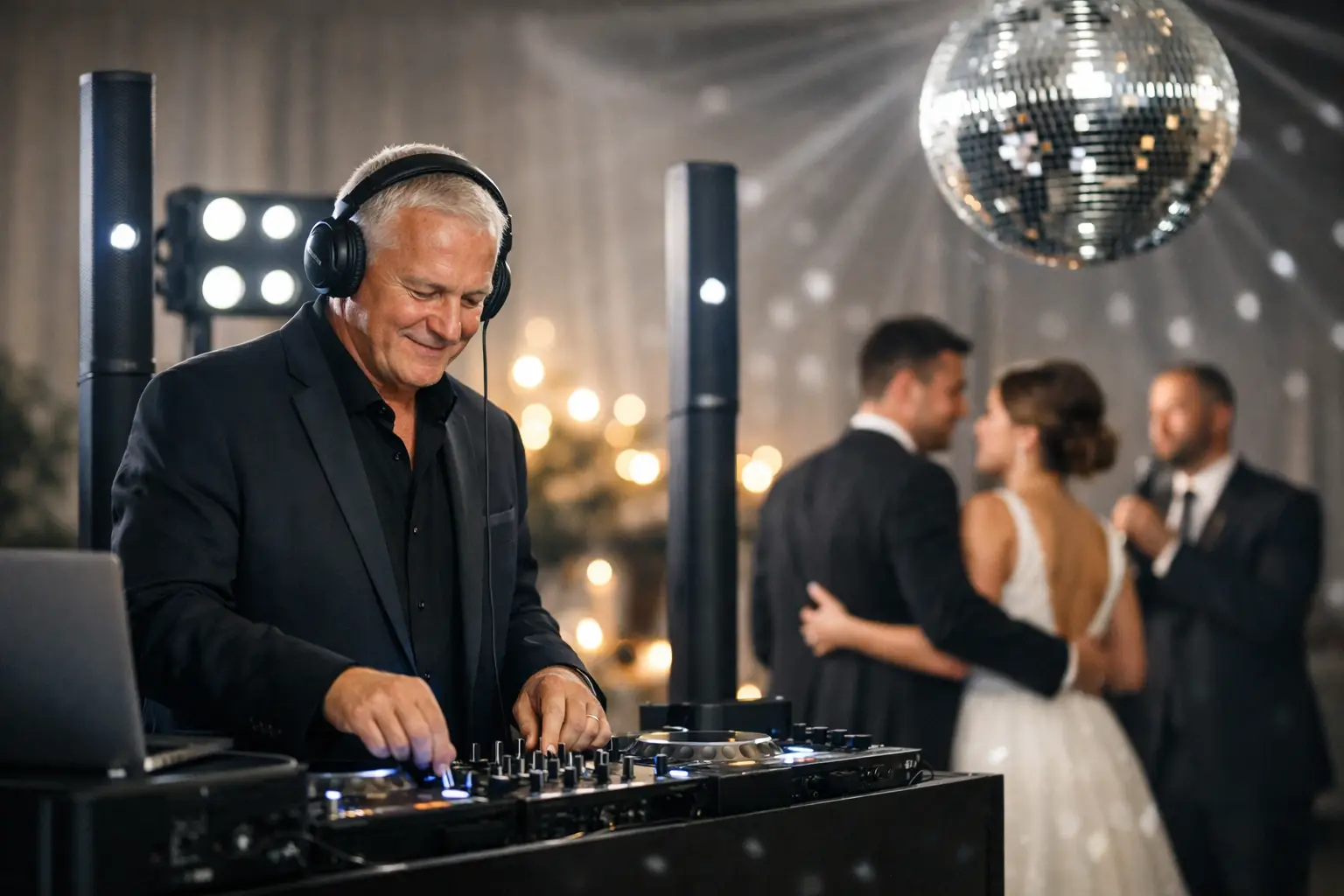
A polished MC does more than announce names. They read the room, coordinate with the DJ and venue, check that speakers are ready, and make each transition feel intentional. Give them a written run sheet that includes the speaking order, preferred names, relationship to the couple, approximate duration and any special introductions.
The DJ and MC should also know exactly what music is needed. A song for the wedding party entrance, gentle background music while guests settle, a walk-up track for a confident speaker and a strong cue into the cake cutting or first dance can lift the whole experience. Music is especially helpful when a speaker needs a moment to reach the microphone or when the room needs to reset after an emotional toast.
At AAA Mobile DJ Services, we see the difference detailed coordination makes. With experienced MC hosting, professional sound and entertainment managed together, couples can enjoy a reception that feels organised without feeling over-scripted.
Make the microphone easy to use
Good sound is not a luxury during speeches. Guests at the back should hear the quiet heartfelt line just as clearly as the big punchline. Test microphones before guests enter, have spare batteries ready and position speakers where they can be seen without blocking the bridal table or photographer.
A handheld microphone suits many speakers, while a lectern microphone can be useful for anyone holding notes. The best choice depends on the room, the speaker and how formal the reception feels. Your sound technician can advise on the setup and adjust levels as different voices take the mic.
A Few Timing Problems to Avoid
Starting speeches while guests are still finding their seats creates instant chatter. Waiting until the end of a long night can leave guests tired. Letting an open mic develop without a plan can turn a touching moment into a drawn-out one.
It is also worth deciding whether surprise speakers are welcome. A surprise can be wonderful when it is short and coordinated. It can be stressful when the MC has no microphone ready, the couple is mid-meal or the person speaking has had a few too many celebratory drinks. Set the expectation early so your reception remains relaxed and respectful.
Most importantly, leave room for real life. Meals run late, a speaker gets emotional and family members take longer than expected to gather for a photo. A schedule with breathing space is stronger than one timed to the minute.
The best wedding speeches feel spontaneous because the planning behind them is solid. Give your speakers a clear window, your suppliers a shared plan and your guests time to enjoy every part of the night. Then, when the final toast lands, the dance floor is ready and the celebration can build exactly as it should.